In an era defined by hyper-connectivity and data-driven decision-making, the Nexus Graph emerges as the architectural imperative for cross-industry digital transformation. It represents a multidimensional, intelligent network fabric that transcends traditional siloed communication, enabling seamless interoperability between edge devices, centralized analytics, and autonomous systems.
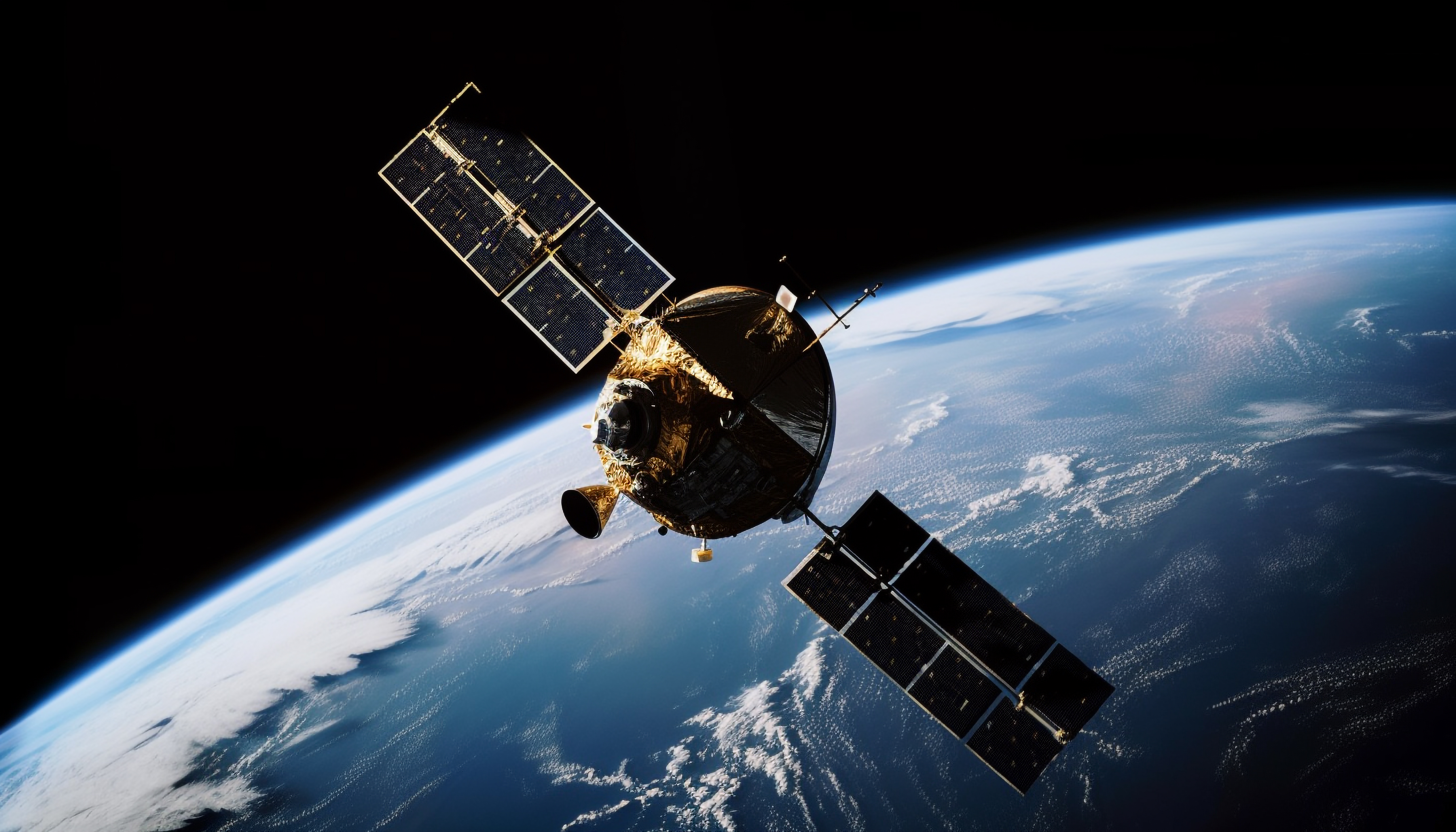
By integrating heterogeneous communication technologies—ranging from 5G/6G and satellite constellations to industrial IoT (IIoT) and mesh networks—the Nexus Graph ensures high-fidelity data flow across critical sectors.
The power of the Nexus Graph lies in its ability to translate raw data into actionable intelligence across diverse environments:
In the energy sector, the Nexus Graph serves as the backbone for remote operations and predictive maintenance. By weaving together sensor data from subsea assets, pipelines, and refinery modules, it creates a "digital twin" of infrastructure.
Technological Integration: Utilizing low-latency private 5G networks to process real-time vibration and thermal telemetry.
Outcome: Enhanced safety protocols and the prevention of catastrophic equipment failure through real-time anomaly detection.
The Nexus Graph facilitates the "Connected Farm," where data from soil sensors, weather stations, and satellite imagery converges.
Technological Integration: Integrating LPWAN (Low Power Wide Area Network) for long-range, low-energy communication with field sensors.
Outcome: Optimized resource allocation (water, fertilizers, pesticides), drastically improving crop yields while minimizing environmental impact.
The SDV is a mobile data hub. The Nexus Graph acts as the critical interface between the vehicle’s internal architecture and the external ecosystem, including V2X (Vehicle-to-Everything) communication.
Technological Integration: Seamless handoff between 5G cellular connectivity and DSRC (Dedicated Short-Range Communications).
Outcome: Real-time software over-the-air (SOTA) updates, cooperative adaptive cruise control, and enhanced safety through swarm intelligence.
Drones require robust, low-latency control channels to function autonomously in complex, dynamic environments. The Nexus Graph provides the command-and-control layer that governs fleet coordination.
Technological Integration: Mesh networking protocols that allow drones to communicate directly with one another, maintaining operational integrity even when outside of direct satellite or cellular coverage.
Outcome: Scalable search-and-rescue operations, precise aerial surveys, and automated delivery logistics.
The Nexus Graph framework provides a unified approach to addressing the most significant hurdles in digital transformation:
Interoperability: Breaking down proprietary communication silos to create a fluid exchange of data across different hardware and software ecosystems.
Resilience: Creating self-healing network structures where, if one communication node fails, the graph dynamically reroutes traffic to ensure system uptime.
Security: Embedding zero-trust architecture at the network level, ensuring that data integrity is maintained as it traverses from the edge to the cloud.
The Nexus Graph is not merely a communication network; it is the nervous system of the modern industrial enterprise. As we move toward a future of increasingly autonomous and decentralized operations, the ability to weave these disparate technologies into a coherent, intelligent, and secure fabric will define the leaders of the next industrial age.